Tennis is a sport of passion, agility, and quick movements. However, for those managing arthritic knees, the impact on the court can be challenging. The good news is that with the right approach and supportive tools, you can continue to enjoy the game while protecting your joints.

1. Choose the Right Surface
Hard courts are unforgiving on the knees. If possible, opt for clay or grass courts, which provide more “slide” and absorb more shock, significantly reducing the vertical impact on your joints.
2. Specialized Footwear
Invest in tennis-specific shoes with superior lateral support and maximum cushioning. Look for shoes designed specifically for shock absorption to take the pressure off your kneecaps during quick pivots.

3. Compression and Bracing
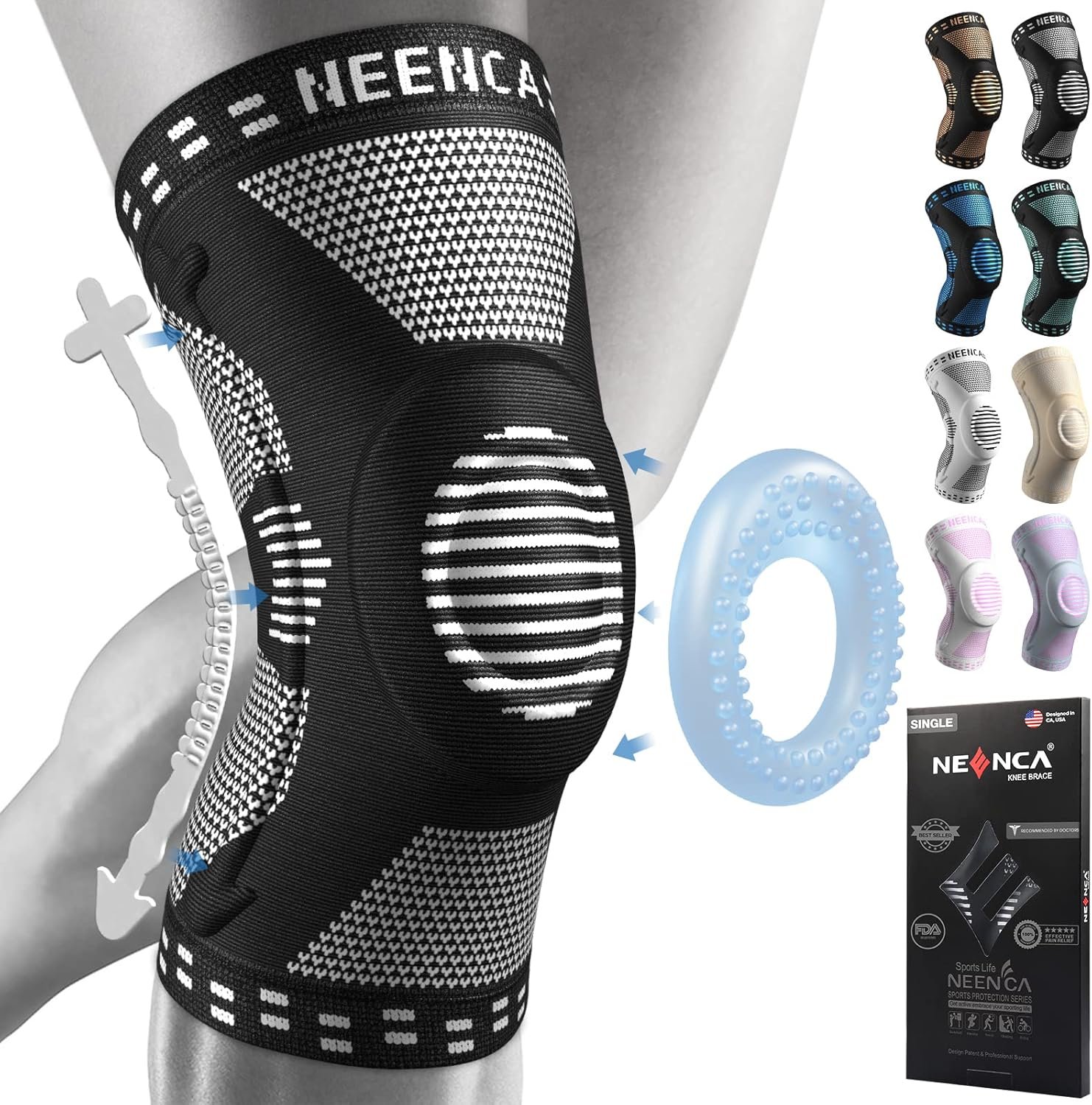
Using a high-quality knee brace or compression sleeve can provide the stability your joints need. These tools help keep the knee aligned and improve circulation, reducing inflammation after a match.
4. Support Tools for Daily Recovery
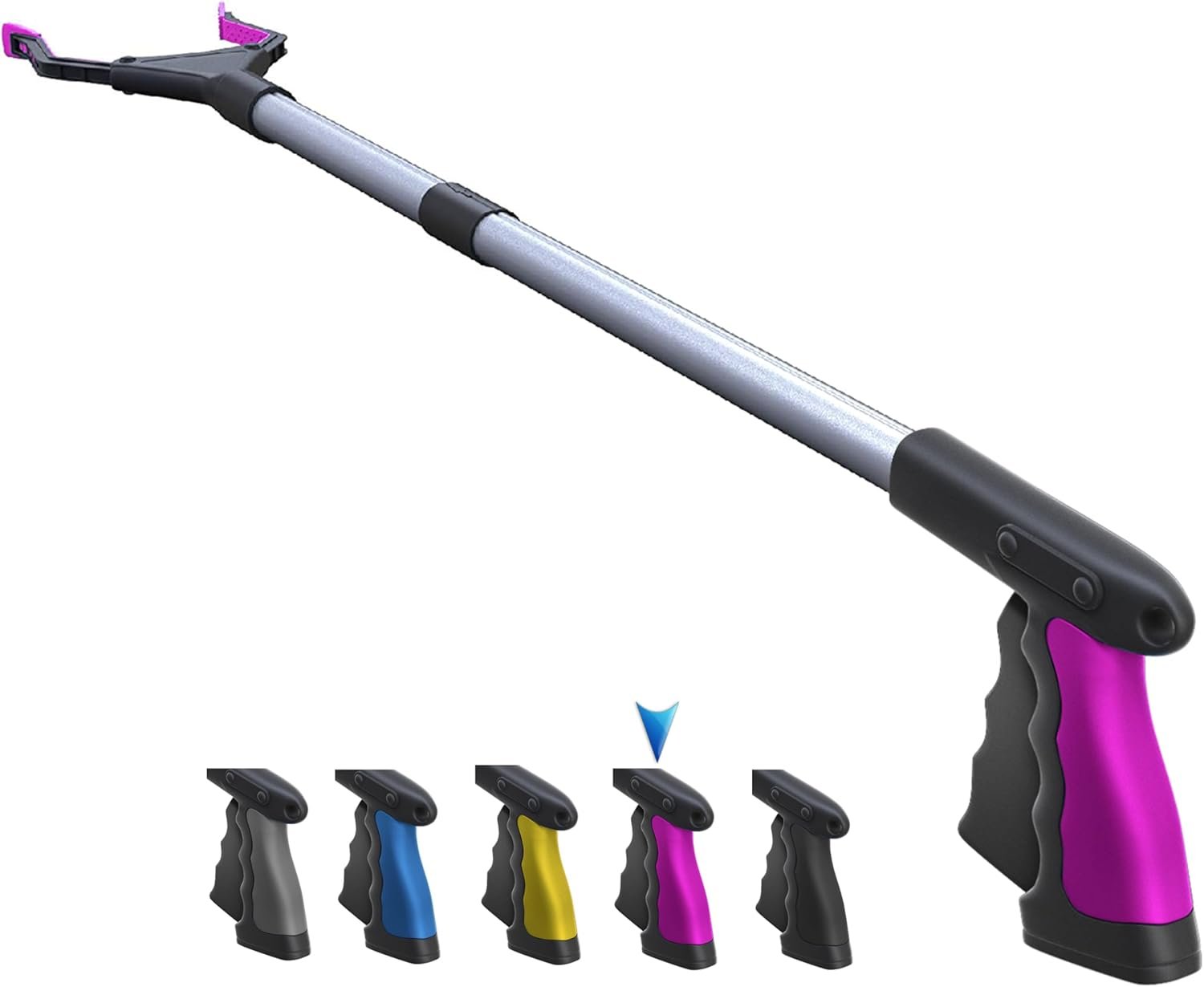
Managing arthritis isn’t just about what happens on the court; it’s about recovery. Using ergonomic reachers or support tools at home can help you avoid unnecessary strain on your knees between matches, keeping you fresh for your next set.